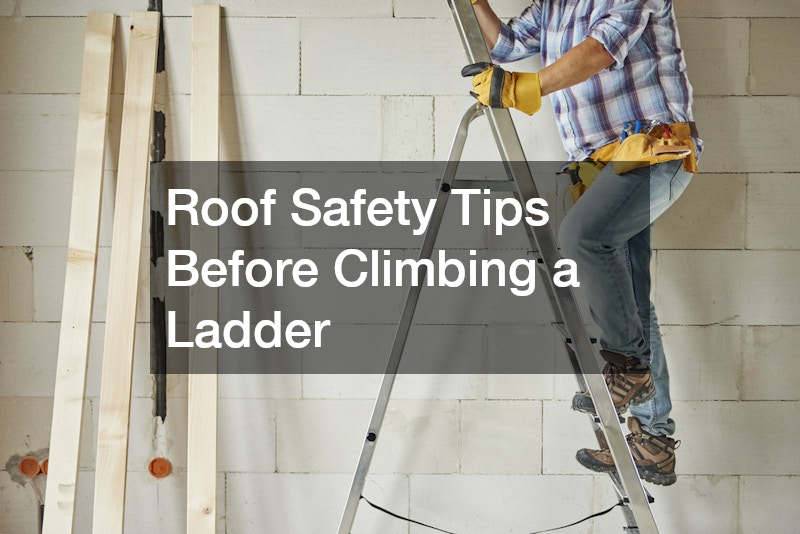
Roof Safety Tips Before Climbing a Ladder
This section will introduce the importance of roof safety and preparation before embarking on any activities involving ladders. Ensuring safety while performing tasks on the roof is crucial, as mishaps can lead to severe injuries. Ladders, integral tools for roof access, require careful consideration and preparation to prevent accidents. With a considerable number of accidents attributed to improper use of ladders, it’s essential to be well-informed and prepared. This guide aims to provide valuable insights into maintaining safety when using ladders to access roofs.
1. How Do I Inspect My Ladder Before Use?
Ensuring ladder safety requires a thorough inspection before each use.
Inspect your ladder meticulously for any signs of wear and tear, which could compromise its stability. Look out for cracks in the rungs or rails, as these can significantly weaken the ladder’s structure. Check if the locks are functioning correctly and ensure there are no missing parts. Maintaining a clean, dry ladder free from oil or grease is essential to prevent slips. Regular safety checks can prevent potential mishaps caused by a faulty ladder.
Stability is paramount; ensure all screws and connections are tight and secure. If you’re using a step ladder, make sure it is fully opened, and the spreaders or braces are locked. For extension ladders, verify the base is firmly planted and the sections are locked securely. Environmental factors such as dirt accumulation or rust due to moisture can also affect ladder safety over time. Therefore, conducting a visual and tactile inspection contributes to overall safety.
Your ladder’s material should be appropriate for the task, e.g., avoiding metal ladders around electrical materials. The workplace environment plays a crucial role; use fiberglass or wooden ladders in potential electrical situations. After ensuring its physical condition, confirm the ladder’s load rating meets the requirement of the user and tools. Exceeding this rating increases the likelihood of a malfunction. Routine maintenance and thorough checks can prolong your ladder’s longevity and reliability.
2. What Protective Gear Should I Wear?
Wearing the correct protective gear is a critical component of roof safety.
Always begin your checklist with a sturdy pair of work boots that provide excellent grip and ankle support. Boots with slip-resistant soles help minimize the risk of slipping, which is crucial when roofing surfaces can be unpredictable. Besides footwear, wearing a well-fitted helmet will protect your head from unexpected impacts. Gloves are equally important as they improve grip and protect your hands from sharp materials. Proper attire ensures additional layers of safety, giving you peace of mind while working.
A safety harness is imperative when working at significant heights, providing extra precaution against falls. A well-secured harness minimizes potential injuries and aids balance in case of sudden slips. Other gear such as high-visibility vests can ensure you’re clearly seen by others working nearby or on the ground below. They not only enhance safety but also contribute to efficient communication. It’s essential to ensure all gears are compliant with safety standards outlined by occupational safety guidelines.
Weather-appropriate clothing contributes significantly to personal safety. Depending on the season, choose attire that offers comfort and protection without hampering movements. Lightweight breathable fabrics are perfect for summer, whereas insulated layers are ideal during colder months with wind barriers. Avoid loose clothing which might snag on various roof components, leading to accidents. Equipping yourself with the right gear protects against weather impacts and boosts preparedness when accessing roofs.
3. What Weather Conditions are Safe for Climbing?
Understanding and assessing the weather is crucial for ensuring safe ladder use.
It’s crucial to monitor weather conditions before planning any roof work. Avoid climbing ladders during wet weather, as moisture significantly increases slipping risks. Winds can also pose challenges, especially at heights, by destabilizing ladder balances or throwing off personal balance. Ideal conditions feature dry weather with low wind speeds to ensure safety during your tasks. Staying updated with weather forecasts before you climb enhances informed decisions.
Temperature fluctuations can impact the material of the roof and your ladder, either making them too hot or cold to touch without proper protective gear. Extremely hot or cold conditions could also affect the personal physical performance, causing fatigue or rigidity. Checking that surfaces are not icy or overly heated is essential, as they increase precariousness while ascending or descending. Maintaining a keen awareness of environmental conditions helps mitigate related risks while roofing.
Cloudless skies might still bear hidden risks if they follow a bout of rain. Roof surfaces take time to dry, and premature access can be hazardous. If you must work after rainfall or in slightly damp conditions, utilize extra caution, wearing added protective gear that aids grip. Recognizing that even slight weather changes influence safety is vital in planning your roof-bound tasks effectively. Always err on the side of caution to prioritize safety during these varying conditions.
4. How Do I Safely Position and Ascend a Ladder?
The positioning and climb technique of a ladder contribute greatly to roof safety.
Start by positioning the ladder on a firm, level surface to prevent tipping during use. A recommended angle for extension ladders is 75 degrees for optimal balance, often using the 4 to 1 rule: for every four feet of height, your ladder should be one foot away from the wall. It’s vital to ensure the top of the ladder reaches at least three feet past the roofline for safe transitioning. Secure the ladder’s top to prevent accidental movement, likely using a bungee cord or other securing device. Proper initial ladder placement lays the groundwork for secure use and safety.
When climbing, maintain three points of contact — either two hands and one foot or two feet and one hand on the ladder at all times. Avoid carrying tools in your hands while climbing; use a tool belt or hoist them separately using ropes. Concentrate on climbing in a controlled manner without sudden movements that could destabilize the ladder. Facing the ladder while ascending or descending is crucial, reducing the potential for falls. Methodical practices minimize unnecessary risks while transitioning between the ground and the roof.
Once on the roof, ensure you have stable footing before releasing grip on the ladder. Consider placing protective padding where the ladder meets the wall or roof edge to prevent surface damage. If working on an uneven or soft base, use ladder levelers or padded mats for stability enhancements. Emphasizing structured ascension practices strengthens safety assurance in gaining access to the rooftop. In prioritizing careful movement and positioning using the correct equipment, a safe climbing experience is achievable.
5. What Are Common Mistakes to Avoid?
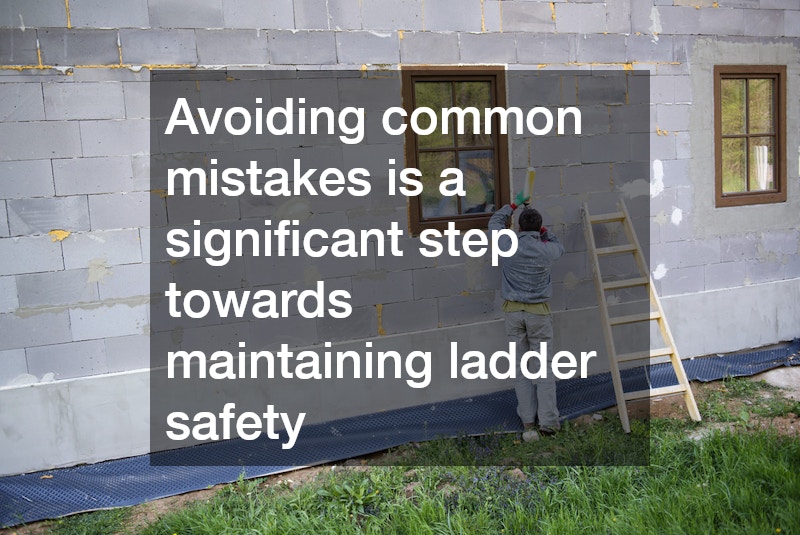
Avoiding common mistakes is a significant step towards maintaining ladder safety.
One pervasive mistake is overreaching while on the ladder, which can easily lead to loss of balance. Always retain your center of gravity within the ladder’s sides to lessen this risk. Improper extension or use of the wrong ladder size for a job often results in dangerous leaning. Ensure ladder height reaches the required level without resorting to unsafe stretching maneuvers. By remembering these focal points, many avoidable accidents can be precluded.
Another frequent oversight is using damaged or unsuitable ladders for a given task. Regularly inspect the ladder for issues like cracks or faulty components before use, ensuring all parts function correctly. Disregarding weather conditions can also lead to adverse situations; avoid climbing during slippery or windy conditions. Pay attention to the ladder load rating and ensure it does not exceed the specified limits when considering tools and materials. Conscious avoidance of these lapses provides a foundation for safe ladder use.
Many accidents happen due to rushing through roof repairs without adequately securing the ladder base. Insist on taking time to check the ladder’s position and its surroundings. Avoid setting up on slick, uneven, or soft surfaces, as these can cause ladder slip or tilt. Additionally, never attempt to move or shift a ladder while in use; correctly relocate the ladder as needed. Through identification and correction of frequent mistakes, ladder-related dangers diminish, enabling safe roof access and task completion.
Ensuring safety involves a disciplined approach and adherence to guidelines specific to ladder use and roof access. Through the correct inspection, dressing, environmental awareness, ladder placement, and movement techniques, risks diminish substantially. Noting weather conditions and recognizing common mistakes are further methods encompassed within a security focused mindset. Ultimately, careful preparation and mindfulness are your best allies in safeguarding against ladder-related accidents.